26
06/2026
Evaluating Chinese Smart PDU Suppliers: Technical Criteria for 2026
A technical buyer's guide to selecting Smart PDU suppliers in China. Learn about measurement accuracy, certifications, manufacturing quality, and real-world deployments with BOMPDU.
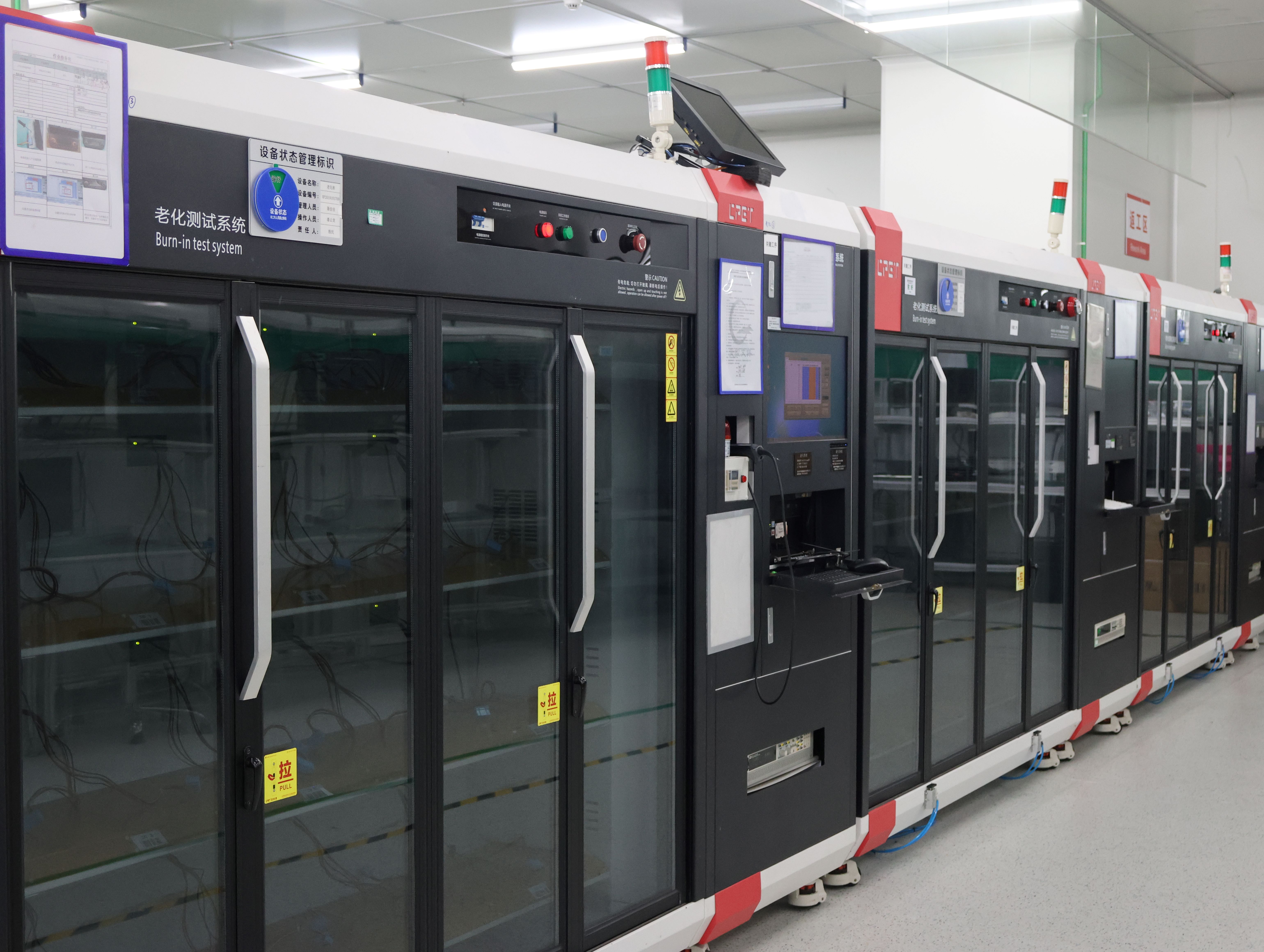
Burn-in test system used for 100% reliability verification of every Smart PDU unit before shipment.
Evaluating Chinese Smart PDU Suppliers: A Technical Buyer’s Guide to Certification, Precision, and Scalability
As global data center density increases and energy costs rise, power distribution management has become a critical bottleneck for operational efficiency. Selecting a reliable Smart PDU supplier in China requires more than comparing price lists—it demands a deep understanding of metrology accuracy, communication protocols, environmental resilience, and supply chain maturity. This guide provides a structured framework for evaluating Chinese Smart PDU manufacturers in 2026, with real-world technical benchmarks and practical procurement steps.
What Is a Smart PDU and Why Does Supplier Selection Matter?
A Smart Power Distribution Unit (Smart PDU) is an intelligent power strip that provides real-time monitoring of voltage, current, power, and energy consumption at the rack level, often with remote control and alarm capabilities. Unlike basic PDUs, Smart PDUs enable:
- Remote power on/off sequencing (Sequential Power-On PDU)
- Socket-level monitoring for granular capacity planning
- Environmental sensor integration (temperature, humidity, water leak, smoke)
- SNMP/Modbus/IPv6 communication compatibility
- Overload and current-limit protection with dual-level alarms
Choosing the wrong supplier can lead to inaccurate energy bills, unreliable remote control, unplanned downtime, and costly retrofits. Chinese suppliers now offer globally competitive technology, but quality varies widely. Buyers must evaluate certification, measurement accuracy, testing infrastructure, and after-sales support.
Key Technical Dimensions for Supplier Evaluation
1. Measurement Accuracy & Metering Precision
The core function of a Smart PDU is delivering reliable electrical data. Voltage accuracy and current accuracy are the first parameters to verify. For example, the Intelligent 2nd generation PDU product from BOMPDU specifies:
- Voltage accuracy: ±0.5% (85–250 V)
- Current accuracy: Class 0.5 (3.1–63 A); Class 1 (0.65–3.1 A)
- Active power, reactive power, apparent power, power factor all measured at socket level
Compare this to industry standards: many entry-level Smart PDUs only offer ±2% accuracy. High accuracy directly impacts capacity optimization and energy billing for colocation and cloud providers.
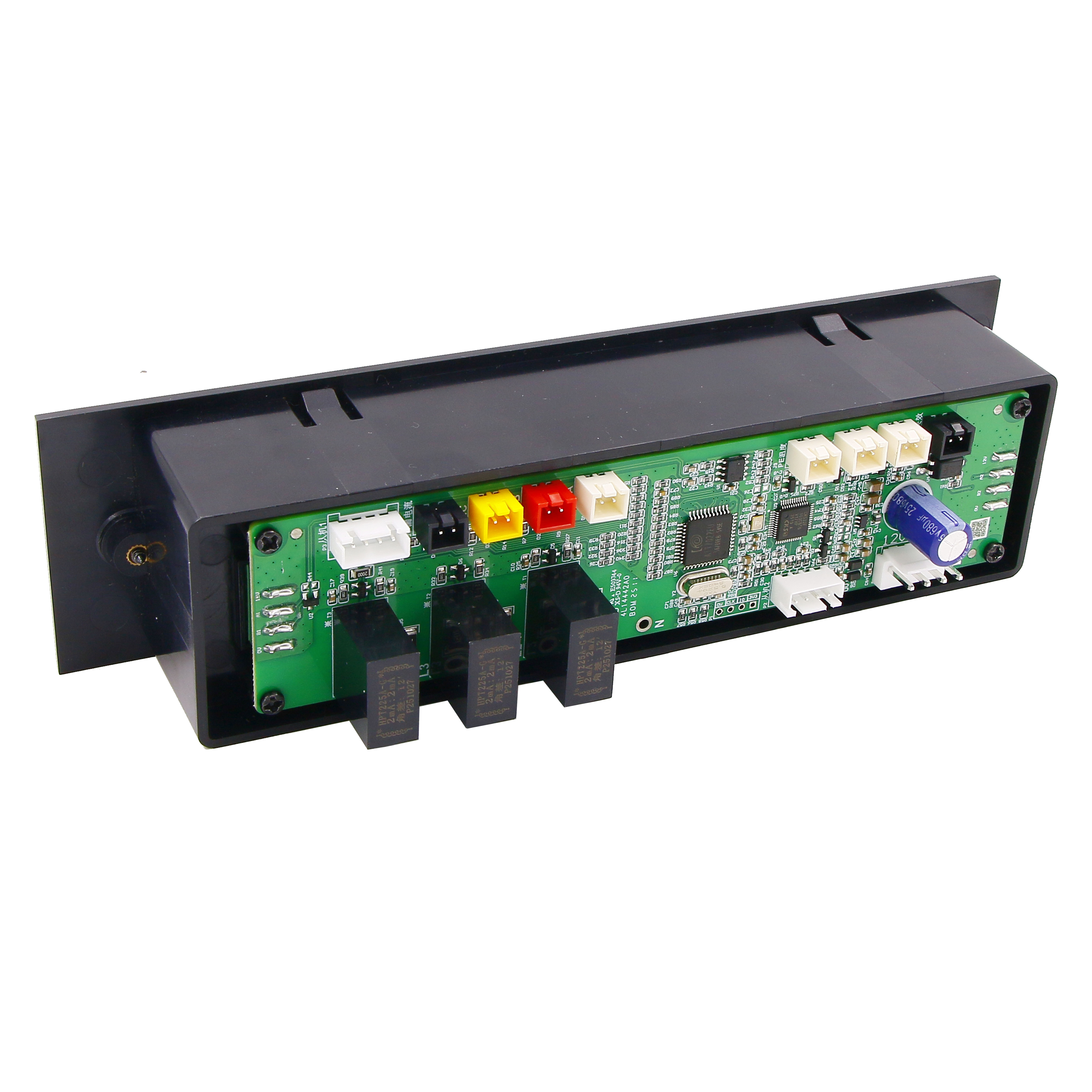
BOMPDU Intelligent 2nd generation Smart PDU – supports single/three phase input, up to 63 A load, and auxiliary modules for expansion.
2. Communication Protocol Flexibility
Modern data centers require seamless integration with DCIM and BMS systems. The most widely supported protocols include:
- RS-485 / Modbus-RTU – reliable for industrial environments, used in BOMPDU’s 1U_1.5U 485 PDU
- SNMP (v1/v2c/v3) – standard for IT network management
- IPv6 support – essential for future-proof addressing in large-scale deployments
- Custom alarm threshold configuration via software interface
When evaluating suppliers, request evidence of real-world integration with common DCIM platforms (e.g., Sunbird, Nlyte, Schneider EcoStruxure). BOMPDU’s products have been validated in IDC data center construction, telecom base stations, and automated production lines.
3. Overload Protection & Relay Lifecycle Management
Relay failure is a common cause of PDU malfunction. A competent supplier implements relay status monitoring and cycle control. For example, BOMPDU records sub-control unit relay control logs, tracks action status, and analyzes service life to proactively suggest replacements. Additionally, a dual-level alarm mechanism first warns when approaching rated current, then triggers overload shutdown—preventing damage without unnecessary downtime.
4. Manufacturing Quality & Testing Infrastructure
A supplier with in-house R&D and batch production experience is more likely to deliver consistent quality. BOMPDU operates a 5000 m² facility with 70 employees, including 12 R&D engineers. Key quality indicators:
- 100% pre-shipment testing (burn-in, load test, function check)
- ISO 9000 and ISO 14000 compliance
- High-low temperature chamber for environmental stress testing
- 6-axis robot for precision assembly
- Annual output up to 10,000 units
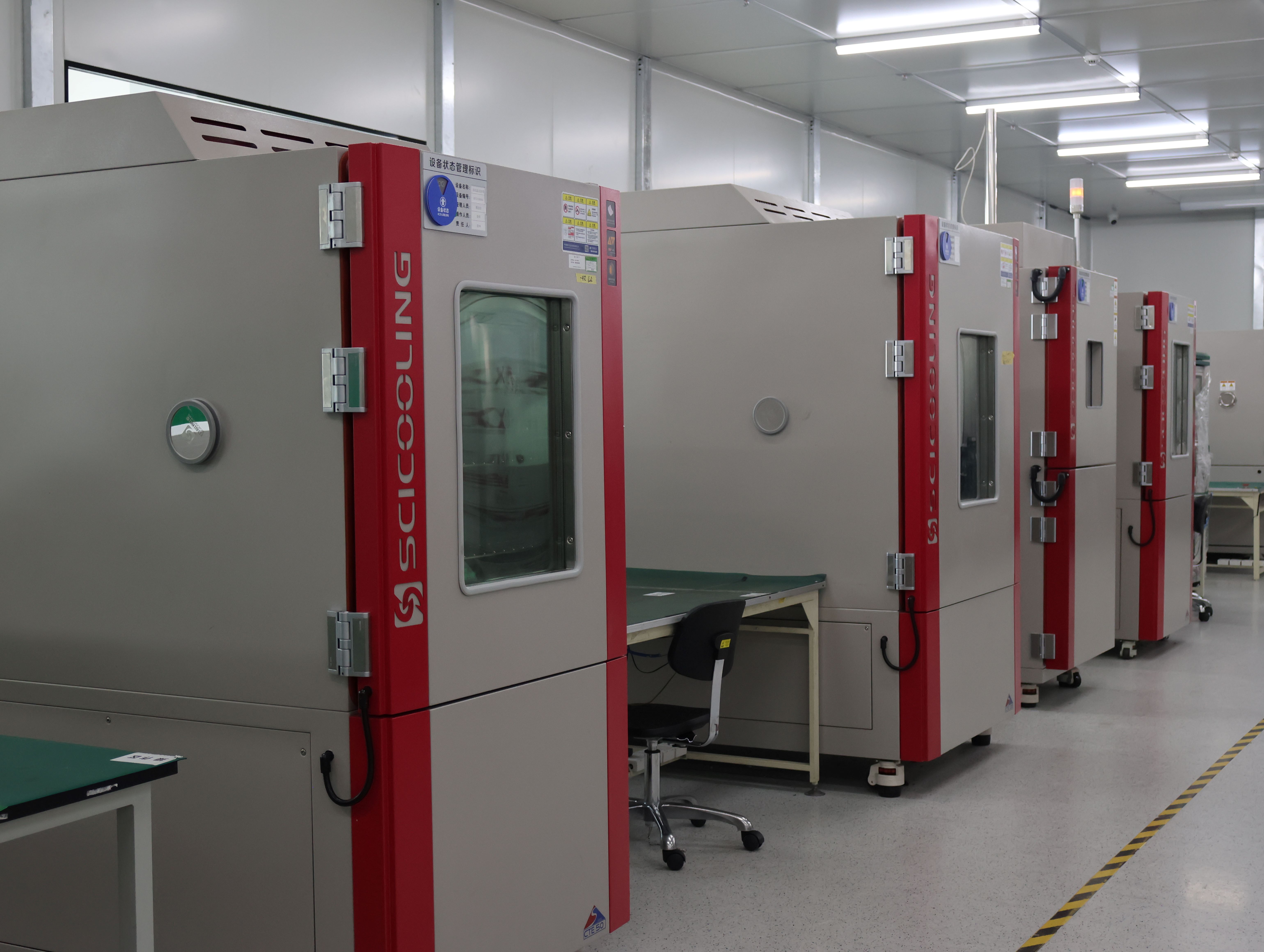
Environmental stress testing with high-low temperature chamber ensures PDU reliability from -40°C to 80°C.
5. Certifications & Intellectual Property
Chinese suppliers should provide valid certificates that prove product compliance and original development. For instance, BOMPDU holds a Computer Software Copyright Registration (No. 2024SR1888355) issued by the National Copyright Administration of China for its Intelligent 2nd generation PDU firmware. This confirms the supplier owns the core control software, reducing dependency on third-party modules and enabling faster bug fixes.
Additionally, industrial-grade certifications such as RoHS, CE, and UL (if applicable) should be requested. The water leak detector (BM-CGQ06) and other sensors from BOMPDU carry industrial-grade RoHS certification.
Practical Supplier Selection Framework (Step-by-Step)
- Define technical requirements: Voltage range, max load (A), number of outlets, required outlets (IEC C13/C19, Schuko), single-phase or three-phase, network interface (RJ45, RS-485), and protocol.
- Request datasheets and metrology reports: Verify accuracy classes for voltage, current, power, and energy. Ask for test methods (e.g., accuracy verified with calibrated reference meter).
- Audit testing capabilities: Does the supplier perform burn-in? Overload testing? Environmental chamber testing? 100% functional test before shipment?
- Check customization options: Can they provide OEM/ODM services (custom outlet count, input type, metering, control logic)? BOMPDU offers customization for IP/3P input, outlet number, and meter&control.
- Evaluate case references: Ask for deployment records in similar environments. BOMPDU has supplied 800 units to an airport data center for real-time socket-level monitoring and 2,000 units to a server manufacturer for aging tests, both with 3+ years stable operation.
- Understand commercial terms: MOQ (typically 70–100 units for standard models), lead time (~30 days), payment (30% deposit, 70% before shipment), delivery (FOB).
- Assess after-sales support: Remote troubleshooting, spare parts availability, warranty period, and response time.
Industry Use Cases for Chinese Smart PDUs
| Industry | Application | Typical Smart PDU Feature Required |
|---|---|---|
| Data Center / Cloud | IDC construction, colocation | SNMP, over-current protection, remote reset, 3-phase input |
| Telecom | Outdoor base stations | Wide temperature, lightning protection, RS-485 Modbus |
| Government & Command Centers | Emergency command, dual power input | High reliability, hierarchical power management, alarm notification |
| Manufacturing | Automated production line | RS-485 Modbus-RTU, strong anti-interference |
| Transportation | Road traffic monitoring cabinets | Surge protection, rail-mount, centralized power control |
Comparison: Chinese Supplier vs. Established Global Brands
Chinese Smart PDU manufacturers like BOMPDU are often compared with industry incumbents like APC (by Schneider Electric) and Raritan (by Legrand). Key differentiators:
- Network speed: APC offers 10/100/1000 BASE-T, while BOMPDU supports 10/100 BASE-T – sufficient for most monitoring applications, but if gigabit switching is required, consider integration.
- Outlet density: Raritan HDOT technology allows more outlets per 42U, but BOMPDU offers flexible modular design (main module + up to 8 auxiliary modules) for scalable deployment.
- Cost: Chinese suppliers typically offer 30–50% lower total cost compared to APC/Raritan, with competitive accuracy and reliability.
Frequently Asked Questions (FAQ)
Q1: What is the minimum order quantity (MOQ) for Chinese Smart PDU suppliers?
Many suppliers require 70–100 units for standard models. For example, BOMPDU’s MOQ for the Intelligent 2nd generation PDU is 70 units for the main module and 100 units for the distributed control module.
Q2: Can I customize the number of outlets or input type?
Yes. Chinese OEM/ODM manufacturers offer full customization: outlet count, input phase (single/three), metering type, communication interface, and even software UI. BOMPDU provides customization options for IP/3P input and outlet number.
Q3: How can I verify a supplier’s measurement accuracy claims?
Request test reports from their in-house lab or a third-party verification. For voltage accuracy, expect ±0.5% for top-tier suppliers. BOMPDU publishes its accuracy levels (0.5% for voltage, 0.5% for current above 3.1A) and can provide test data.
Q4: What certifications should a Chinese Smart PDU have?
At minimum: ISO 9001/14001 (quality and environmental management), software copyright for embedded firmware, and product-specific certifications (RoHS, CE, UL as required). BOMPDU holds a computer software copyright certificate (2024SR1888355) and complies with ISO standards.
Q5: How long does delivery take?
Typical lead time is 30 days after order confirmation. Payment terms are often 30% deposit, 70% before shipment (FOB).
Conclusion
Selecting a Chinese Smart PDU supplier in 2026 requires a systematic approach: evaluate measurement accuracy, communication protocol support, protection mechanisms, manufacturing quality, certification, and real-world case studies. BOMPDU (Wuxi Bom Electronic Technology Co., Ltd.) exemplifies a capable Chinese manufacturer with proven technology, high accuracy (0.5% class), modular scalability, and over 2800 units deployed in critical environments like airport data centers and server manufacturing.
For a detailed technical review of BOMPDU’s product family, including the Intelligent 2nd generation PDU and 1U_1.5U 485 PDU, download the company brochure below.
Contact BOMPDU: Email tony1091803@wxbom.cn | WhatsApp +1 (786) 989-2761 | Address: Room 1208, Building A3, Wuxi Tian’an Smart City, No. 228 Linghu Avenue, Xinwu District, Wuxi, Jiangsu, China